Admin
Admin 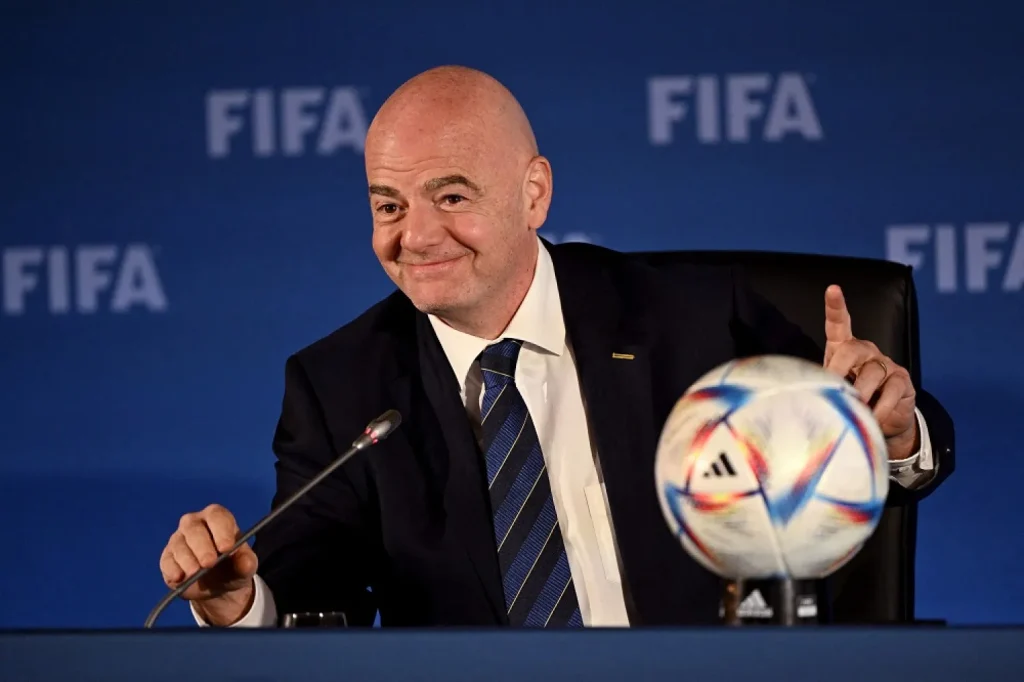
By the time the ink was barely dry on Argentina’s 2-1 semifinal win over England, an online petition demanding the team’s disqualification from the 2026 World Cup had passed six million signatures. Six million. That’s not a group chat venting after a bad result. That’s not a trending hashtag that dies by morning. That’s a number that forces an uncomfortable question onto the table: should a governing body like FIFA ever let public pressure shape a disciplinary decision — and does it matter whether the fans pushing it have a point?
What Actually Happened
Strip away the noise and the paper trail is real. Argentina trailed Egypt 2-0 with 11 minutes left in the Round of 16, then scored three times to win 3-2. Two decisions from referee François Letexier are still being dissected: a second-half Egypt goal wiped out by VAR for a foul in the buildup, and no penalty given when Mohamed Salah went down in the box moments before Argentina’s winning move began. Egypt’s federation filed a formal complaint. Their head coach suggested there may have been pressure on the officials to keep Argentina alive. Their striker, Mostafa Zico, called the tournament rigged outright.
FIFA later confirmed Letexier would take no further part in the competition — officially because of a standard conflict-of-interest rule that stands down officials from countries reaching the semifinals, not because of the Egypt result. The timing did the rest of the talking on its own.
Then came the semifinal against England, and the appointment of referee Ismail Elfath — a man who, across five prior matches touching Messi’s teams, had never once been on the losing side. Five for five. Three minutes into the game, a no-card challenge on England’s Elliot Anderson set social media off before the first half was even over. By the next morning, the petition had cleared six million names.
FIFA’s refereeing chief, Pierluigi Collina, has pushed back hard, calling the bias accusations unfounded and warning that this level of public pressure puts real strain — even threats — on match officials and their families.
So two things are effectively on trial here. Whether the fans have a legitimate grievance. And whether it should matter if they do.
The Case for Listening to the Crowd
FIFA isn’t a court of law insulated from public opinion — it’s an institution that survives entirely on trust in its product. The moment millions of people stop believing a result is legitimate, the sport stops being a sport and starts looking like scripted entertainment. Fan trust isn’t noise sitting outside the game. It’s the actual thing being sold.
This also isn’t unprecedented. VAR itself exists because fans and pundits spent years complaining loudly enough about missed calls that the sport eventually changed its own rules. Goal-line technology followed the same path. Football has a track record of bending when the outcry gets big enough — so treating a six-million-signature petition as automatically beneath consideration ignores how the sport has actually evolved.
And when an institution’s own explanation doesn’t survive contact with the timeline — standing a referee down right after the country he favored reaches the semifinals, while insisting the two things are unrelated — the people asking questions aren’t undermining the sport. They’re doing the scrutiny the institution isn’t doing on itself.
The Case Against Letting the Crowd Decide
Rules can’t bend to whichever grievance is loudest that week. Nearly every fanbase alive believes it’s been on the wrong end of officiating at some point — ask Egypt fans tonight, ask England fans tonight, ask any team that’s ever exited a tournament on a contested card. If FIFA starts adjusting outcomes based on which complaint trends hardest, it hasn’t removed bias from the sport. It’s just replaced referee bias with mob bias.
Collina’s underlying point deserves more credit than it usually gets. Match officials are private individuals with families, and “the internet is furious” is not, by itself, evidence of a fix — it’s evidence that people are furious, which is a different claim entirely. If disciplinary review starts being measured in petition signatures, the sport isn’t protecting its integrity. It’s outsourcing that integrity to whoever can mobilize the largest online campaign fastest.
There’s also a process question. Egypt’s federation didn’t start a petition — it filed a formal complaint through the actual channel built for exactly this situation. That’s the legitimate mechanism. If FIFA responds to public volume instead of the formal review process, it quietly tells every future federation that the paperwork doesn’t matter as much as the trending topic.
The Uncomfortable Middle
Here’s the part both sides tend to skip past: the fans calling this rigged and the fans calling the outrage overblown are both partly right, just about different things. Egypt’s grievance has a real paper trail — a federation complaint, on-record quotes from their own coaching staff, a disallowed goal FIFA felt compelled to publicly defend. That’s not manufactured anger. But “disqualify Argentina because of a petition” was never a serious remedy on its own terms — it’s fury with nowhere formal to go, because football has never built an actual appeals process that ends with a corrected result.
That’s the real gap here. It isn’t that six million people are wrong to be angry. It’s that the sport has no functioning bridge between “the fans are furious” and “something structurally changes.” So instead of a review process, the anger becomes a petition — which proves the scale of the distrust, but has almost no mechanism to actually deliver justice even if it’s right.
Where This Leaves Things
FIFA has not acted on the petition, and it’s very unlikely to before Sunday’s final between Argentina and Spain — a match that now carries the added weight of settling, at least emotionally, whether this tournament’s biggest storyline was Messi chasing history or football quietly tilting toward its biggest name on the way out. Whatever the scoreline says, don’t be surprised if the argument about who’s really running the sport — FIFA’s officials, or the millions of people watching them — is still the loudest conversation in football on Monday morning.