R31 Million World Cup Spend: Where the Money Went – And Why South Africans Are Asking Questions
 Admin
Admin 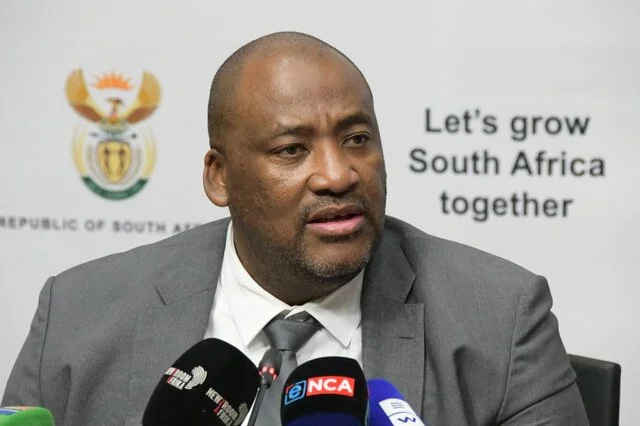
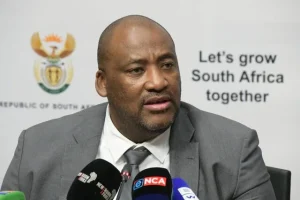
When Sport, Arts and Culture Minister Gayton McKenzie confirmed that R30.9 million had been spent on South Africa’s 2026 FIFA World Cup programme, the figure immediately sparked public debate.
For many South Africans, the question wasn’t simply how much was spent—but what exactly the money paid for, who benefited, and whether taxpayers received value in return.
Following growing pressure from the Democratic Alliance (DA) and ActionSA, the Department of Sport, Arts and Culture (DSAC) has now released a breakdown of the expenditure, offering the clearest picture yet of how the nearly R31 million was allocated.
Where Did the R31 Million Go?
According to the department, the spending formed part of South Africa’s official World Cup support programme rather than solely funding government officials travelling to North America.
The programme included:
- Official international travel
- The FIFA World Cup Legends Exhibition Match
- Hospitality suites
- Spectator tickets
- Tournament-related programme activations and fan engagement initiatives
One of the largest expenses was official travel, which cost an estimated R7.86 million.
That budget covered:
- International flights
- Accommodation
- Local transport
- Daily subsistence allowances
- Operational support for Minister Gayton McKenzie, two support staff, the Director-General and a 14-member project team.
More Than Government Officials
The department insists the World Cup programme extended far beyond government representatives.
Officials say the delegation also included football legends, artists, cultural performers, media partners, sponsored supporters and implementation teams tasked with promoting South Africa during the tournament.
Importantly, DSAC says not everyone travelled at the expense of taxpayers, with some participants funded by sponsors or implementation partners.
Why Are Opposition Parties Still Concerned?
Despite the breakdown, opposition parties argue many questions remain unanswered.
Both the DA and ActionSA say they still want a traveller-by-traveller account showing:
- Who travelled
- Their role
- How long they stayed
- Individual travel costs
- Accommodation expenses
- Match tickets
- Hospitality costs
- Who funded each person
The department says those figures are still being reconciled because several costs—including security, protocol and logistics—were procured as part of broader packages rather than on an individual basis.
The Bigger Debate: Cost vs Value
Perhaps the biggest issue isn’t the amount itself—it’s whether South Africa received sufficient value from the investment.
DSAC says the programme aimed to promote:
- South African tourism
- Local culture
- Creative industries
- Investment opportunities
- The legacy of the 2010 FIFA World Cup
However, the department has also acknowledged that it cannot yet point to a specific investment agreement or trade deal that resulted directly from the World Cup programme.
That admission has fuelled criticism from political parties, who argue that public spending should produce measurable outcomes, particularly at a time when many communities continue to face shortages in sporting infrastructure and development funding.
Transparency Will Decide the Conversation
Hosting delegations, promoting tourism and showcasing South Africa on the global stage all come at a cost. Few would dispute that international sporting events provide opportunities to market the country.
The real debate is whether taxpayers have been given enough information to judge whether R31 million represented a worthwhile investment.
With Parliament expected to continue scrutinising the expenditure, the final traveller-by-traveller reconciliation could prove just as important as the spending itself.
For now, the numbers have been published—but the questions are far from over.