Admin
Admin 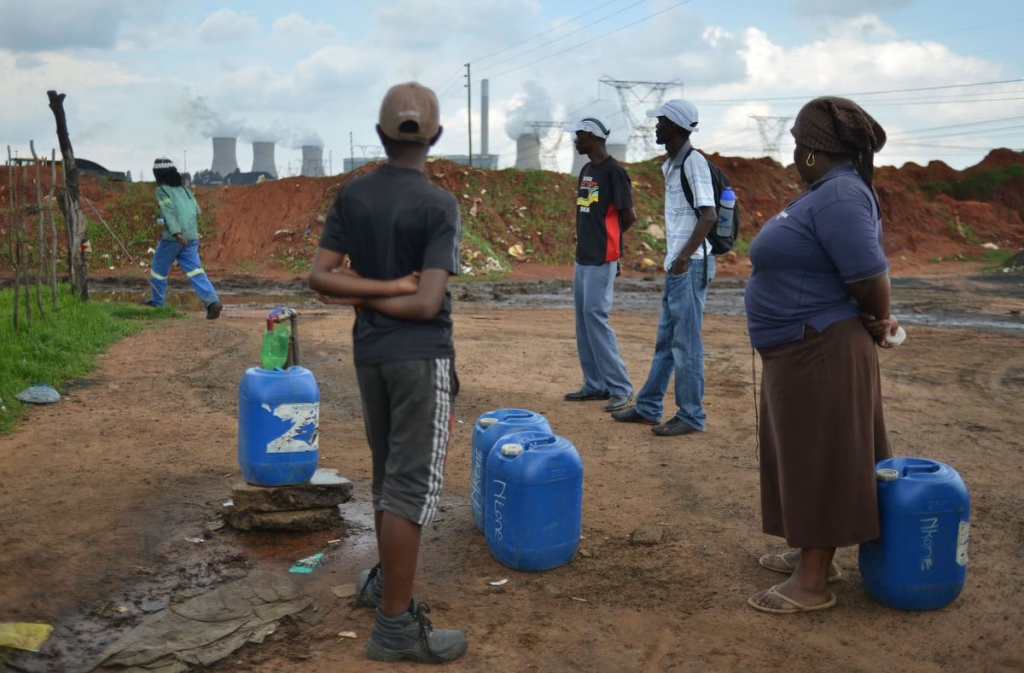
In South Africa, water is no longer just a basic right — it’s a business for criminals. And not small-time crooks, we’re talking full-blown water mafias turning our water infrastructure into their personal ATM.
Across the country, what used to be the work of municipal plumbers has now turned into survival in a war zone. Criminals are targeting pump stations, pipelines, and valves — not by mistake, on purpose. Why? To create fake water shortages so they can swoop in with tankers and sell the same water back to desperate communities at sky-high prices.
They break it — then sell it back to us. Let that sink in.
Municipal workers are now scared for their lives. Some have even faced violence and threats from syndicates who are dead set on making sure their illegal business keeps flowing — while water to your tap doesn’t.
And guess what? These aren’t just petty hustlers. Some of these tankers are linked to suppliers getting government contracts. Yes — people are allegedly damaging infrastructure, then making money from the same system meant to serve us. That’s not just corruption. That’s sabotage.
The South African Human Rights Commission isn’t sugarcoating it either. They say this should be treated like terrorism. And they’re not wrong. Destroying public infrastructure to cause panic and then profiting from it? That’s not just crime — that’s a threat to national security.
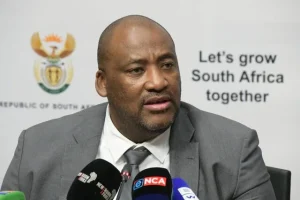
The government’s now under pressure. Deputy Minister David Mahlobo finally admitted what we all knew: this is “economic sabotage.” But admissions aren’t enough. The system is leaking — literally — with nearly 30% to 50% of our water vanishing before it even reaches the people. Now criminals are exploiting that gap, and communities are paying with both money and their health.
But let’s be honest — the roots of this problem go way deeper.
Decades of poor maintenance. No real investment. Broken pipes. Droughts. Urban pressure. And at the center of it all: a government that’s been more reactive than proactive.
If we want to fix this, it’s not just about chasing criminals — it’s about fixing the system they’re feeding off. Surveillance? Sure. But we also need proper infrastructure upgrades, water source innovation like desalination, and real community whistleblowing platforms to expose who’s cashing in.
This is no longer just a water crisis. This is a war for control — and the only losers are the people who rely on that tap turning on every morning.